ServicesSiding
Siding Repair and Replacement in Newport
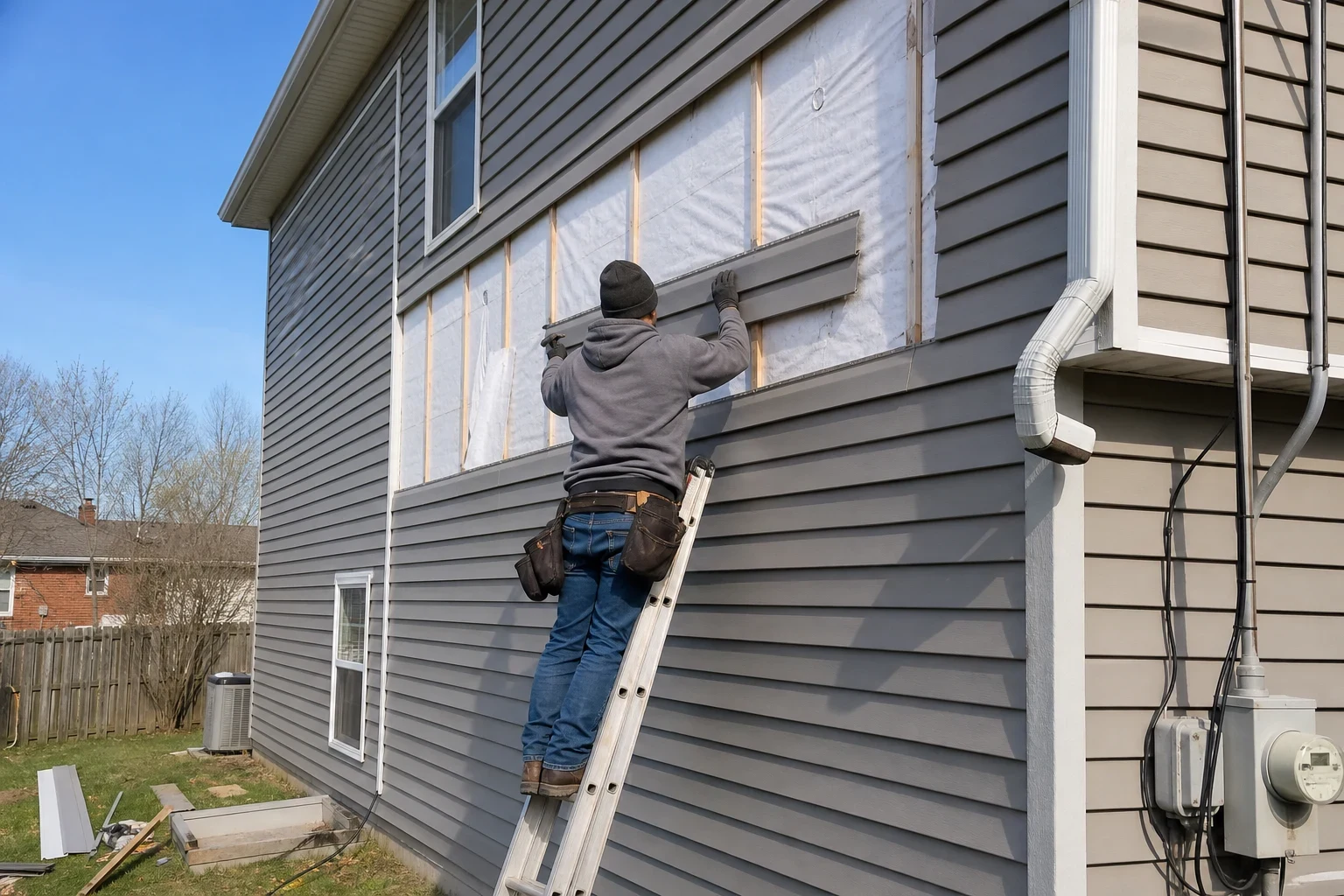
Damaged siding lets water into the wall behind it. We find out how far the problem goes, fix the affected sections when a repair will last, and tell you plainly when new siding is the better use of your money.
Fixing the Wall, Not Just the Surface
Siding is your home's raincoat. When a panel cracks, warps or pulls loose, wind-driven rain gets behind it and soaks the sheathing and framing underneath. Left alone, a small gap can turn into soft wood, peeling paint indoors and mold in the wall cavity.
Most of the time, a few damaged pieces don't mean the whole house needs new siding. We swap out the bad sections, match the profile and color as closely as we can, and reseal the trim and openings around them. If the damage is widespread, the material is past its useful life, or matching parts can't be found, we explain that on the spot and walk you through what residing the whole house involves.
Freeze and thaw cycles through the winter are hard on older siding, so we look closely at seams, corners and window trim, where moisture tends to work in first.
What Our Siding Work Covers
New panels and boards
We remove cracked, dented or warped vinyl panels and rotted wood clapboards and install new pieces that lock in with the courses around them.
Sheathing and moisture check
Once a section is open, we press and probe the sheathing behind it. Any soft or stained wood is cut out and new wood goes in before the siding goes back on, so you aren't covering up a problem.
Housewrap and flashing
We patch or renew the weather barrier and add flashing above windows, doors and where siding meets the roofline. These details stop most of the leaks we're called about.
Trim, corners and caulking
Corner posts, J-channel and window trim get refastened or swapped for new, and joints are sealed with a caulk suited to the material.
Full residing when it's the right call
When new siding throughout makes more sense, we strip the old siding, repair the wall, install new wrap and flashing, and hang new siding in vinyl or fiber cement. We'll talk through how each one looks, wears and is maintained.
Signs Your Siding Needs Attention
Cracks or holes in panels
Vinyl gets brittle with age and cold, and a stray ball or hailstone can punch right through it. Any opening lets water behind the wall.
Loose or rattling pieces
Panels that flap in the wind have usually come unlocked from the course below. They can blow off in the next strong gust.
Warping or buckling
Wavy siding often means it was nailed too tight or is sitting near a heat source like a grill. Buckled panels leave gaps at the seams.
Soft spots or peeling paint on wood
If a screwdriver sinks into a clapboard, rot has set in. Paint that keeps peeling in the same place often points to moisture coming from behind.
Stains or damp spots inside
Water marks on interior walls near windows, or musty smells in one room, can trace back to failed siding or flashing outside.
Faded or chalky surface
Fading on its own is cosmetic, but heavy chalking on old vinyl usually means it's near the end of its life and harder to match.
How a Siding Job Goes
- 1
Walk-around and estimate
We look at every wall, take photos of what we find and open a section if needed to check the sheathing. You get a clear repair-or-replace recommendation and a written estimate.
- 2
Material matching and permits
For repairs, we source the closest match in profile, width and color. If your project needs a permit, or your home is in a historic district where exterior changes are reviewed, we check that before work begins.
- 3
Work day
We protect plantings and walkways, remove the damaged siding, repair any wet or rotted wood, and install wrap, flashing and new siding. Most repairs wrap up in a day.
- 4
Cleanup and walk-through
We pick up scraps and run a magnet over the yard for nails. Then we walk the finished wall with you and point out anything we noticed elsewhere, like gutters overflowing onto the siding.
What Affects the Cost of Siding Work
The price depends mostly on how much siding is involved and what we find behind it. Swapping a few panels on a first-floor wall is a very different job from residing a two-story house. We give you a written estimate after we've looked, and we call you before doing any extra work we uncover.
- How much is damaged
- The number of panels or boards to swap out, or the total square footage for a full residing, is the biggest driver.
- Condition of the wall underneath
- Rotted sheathing or framing adds labor and material. We can't always see it until the siding is off, which is why we photograph and explain anything we find.
- Material choice
- Vinyl is generally the least expensive to put up, fiber cement asks more in both material and labor, and wood varies widely by species and grade. Older profiles that are no longer made can take extra time to track down.
- Height and access
- Second-story walls, steep slopes and tight spaces between houses need more ladder or scaffold work.
- Trim, flashing and openings
- Homes with lots of windows, doors and corners need more trim and flashing, which adds time per wall.
Your Siding Questions, Answered
Something not covered here? (859) 667-1817
Will the new pieces blend in with the siding already on my house?
In most cases they will. We take a cut piece of your siding to suppliers and compare profile, width and color side by side. Older siding that has faded in the sun can make new panels look a shade brighter for a while, so on some jobs we move original panels from a hidden wall to the front and put the new ones out of sight.
Do I need to replace all my siding if a few pieces are damaged?
No. If the rest of the siding is sound and the wall behind it is dry, swapping out the damaged sections is the sensible choice. We recommend new siding throughout only when damage is widespread, the material is failing everywhere, or a decent match isn't available.
Will my insurance cover siding damage?
Damage from a storm or a falling limb is often covered, while wear and age usually aren't. We'll take pictures of each damaged area and write down what we believe caused it, so you have something solid to hand your insurer. Your adjuster still decides what the policy pays for. Our Storm Damage Repair page covers that process in more detail.
Should I do siding and roofing at the same time?
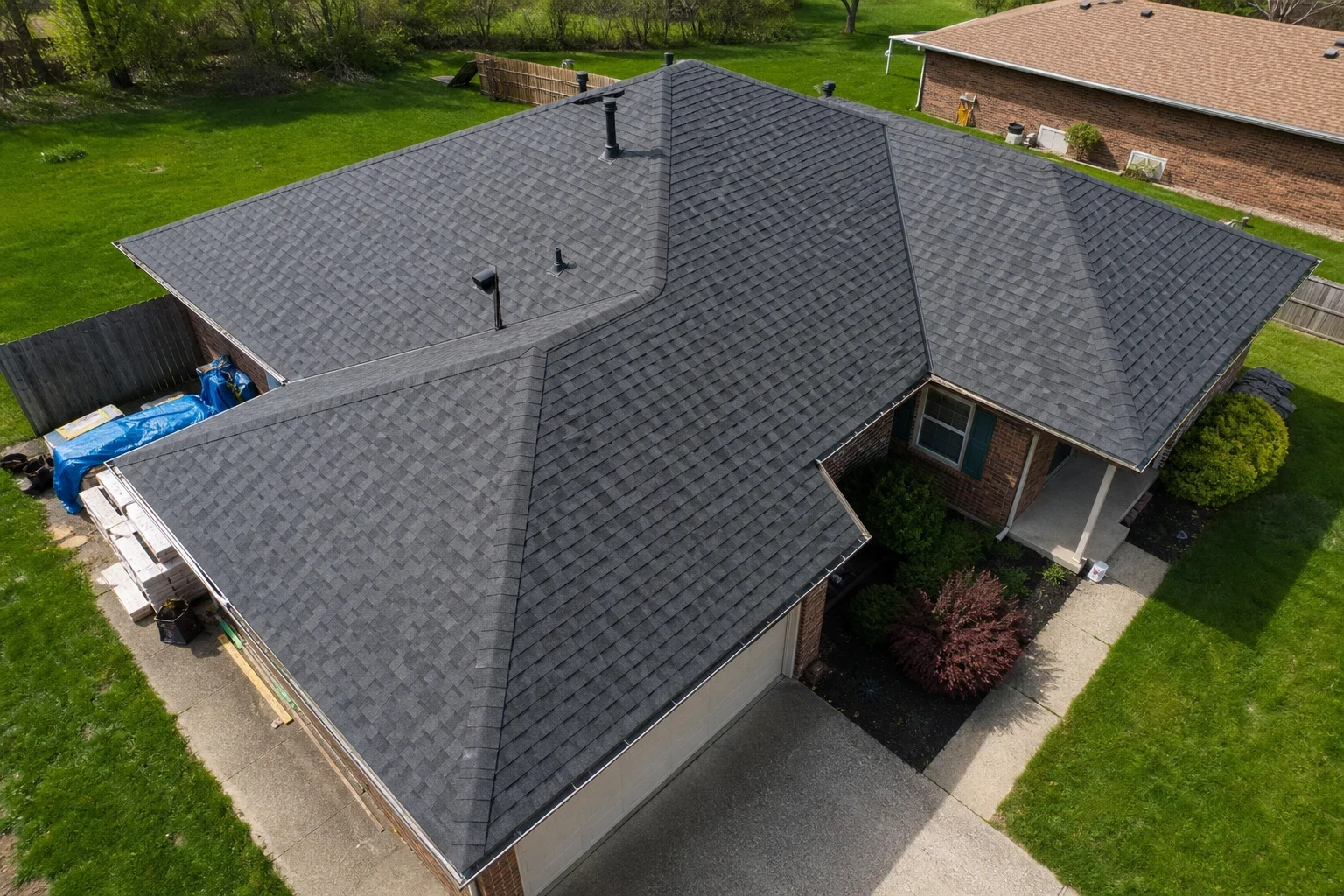
It can make sense when both are aging, because the flashing where the roof meets the wall gets done once and done right. If only one needs work, we'll tell you so rather than bundling jobs you don't need.
Is vinyl or fiber cement better for my home?
Vinyl costs less and needs little upkeep, but it can crack in hard cold and dent from impacts. Fiber cement is heavier, more impact resistant and holds paint well, but it costs more to install. We'll talk through both based on your home and budget.
Let's Take a Look at Your Siding
We'll check the damage, look behind it where needed and tell you honestly whether a repair will do. You'll know the plan and the price before any work starts.